

The Mexican navy intercepted a submarine carrying up to four tons of cocaine along the Pacific Ocean off the country's West coast, Mexico's Seurity Minister Omar Garcia Harfuch said on Thursday."In the last week, maritime operations have made it possible to seize nearly 10 tons of this drug.

Iraq has reopened the Rabia border crossing with Syria after more than a decade to accelerate overland fuel oil exports and revive cross‑border trade amid disruption to Gulf shipping following the Iran war, Iraqi border officials said on Monday.The crossing, located in Iraq’s northern Nineveh province
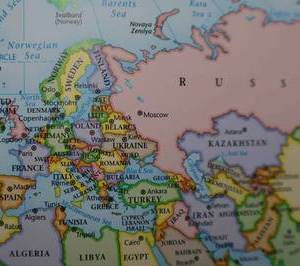
Libya’s coast guard has begun towing away a damaged liquefied natural gas tanker that several Mediterranean countries warned posed an environmental risk after drifting unmanned for weeks, the Tripoli‑based Government of National Unity (GNU) said.The Russian-flagged Arctic Metagaz, carrying LNG from the Arctic port of Murmansk, has been adrift since early March
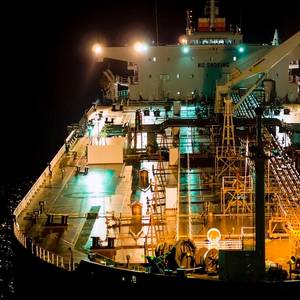
On the afternoon of March 8, a petroleum tanker named Torm Agnes entered the Port of Ensenada on Mexico’s Pacific coast carrying almost 120,000 barrels of diesel.Such a vessel was a rare sight in that port, which mainly hosts cruise liners, luxury yachts and container ships. Ensenada lacks the infrastructure needed to unload cargos of flammable hydrocarbons safely – making what happened later