

President Donald Trump has extended for 90 days a waiver allowing foreign-flagged ships to transport oil and other commodities between U.S. ports, but imposed new limits after shipbuilders and their allies in Congress argued the policy was undermining the domestic maritime industry, the White House said.

President Donald Trump’s waivers allowing foreign-flagged ships to move oil and fuel between U.S. ports have had little impact on high domestic gasoline prices due to elevated shipping rates and the relatively small fuel volumes transported so far, a Reuters analysis found.In March, Trump issued a waiver to the Jones Act, a century-old law that requires shippers to use vessels built

Today’s headlines bring constant news of international shipping hubs across the global supply chain experiencing major volatility and disruption – from Iran sending shockwaves through global energy markets by forcefully obstructing vessel traffic in the Strait of Hormuz; to the Iran-backed Houthis in Yemen signaling intent to restart attacks on shipping in the Red Sea; to China detaining
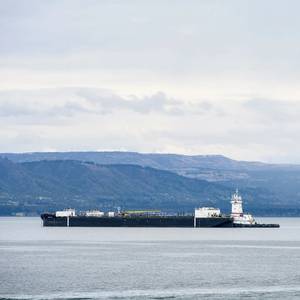
It’s been said that American maritime is “having a moment” in Washington, DC.From President Trump’s Executive Order on Restoring America’s Maritime Dominance, to introduction of the bipartisan, bicameral SHIPS for America Act in Congress, the U.S. maritime industry has been a subject of focused attention at the highest levels of government, and rightfully so.

President Donald Trump granted a 90-day extension to a shipping waiver that makes it easier to move oil, fuel and fertilizer around the United States, the White House said on Friday, the latest effort to curb rising energy costs linked to the war with Iran.The move reflects a broader push by the White House to dampen politically sensitive fuel price spikes ahead of November’s midterm elections