

The U.S. is expanding its icebreaking fleet to strengthen Arctic and domestic access, and support commercial shipping, seabed resources, subsea cables and fisheries. Current plans include 1–3 heavy Polar Security Cutters (PSCs), 11 medium Arctic Security Cutters (ASCs), seven Homeland Security Cutter (HSC) HSC-L (light) icebreakers, 11 HSC-Ms (medium) and one additional heavy HSC-H (heavy).

U.S. President Donald Trump has allowed the Navy to build ships overseas and ordered it to abandon a complex system for launching jet fighters from its aircraft carriers and instead return to using steam catapults, the White House said on Thursday.Trump signed a national security memorandum directing the change, which would require the fourth vessel in the Gerald R.

Firmus and SUBCO announced a landmark agreement to build a new submarine fiber optic cable connecting Tasmania to mainland Australia, significantly expanding the state's digital capacity and supporting the next generation of AI infrastructure. The new cable, to be named Bernacchi-1 in honor of pioneering Tasmanian-raised scientist and Antarctic explorer Louis Bernacchi

U.S. President Donald Trump's move allowing foreign-flagged cargo ships to move fuel and other goods between domestic ports has so far had little impact on American oil supply, according to trade data and analysts who noted that U.S. refiners and shippers are earning more profits sending fuel overseas.

Iran said on Sunday it would strike the energy and water systems of its Gulf neighbours in retaliation if U.S. President Donald Trump follows through with a threat to hit Iran's electricity grid in 48 hours, escalating the three-week-old war.The prospect of tit-for-tat strikes on civilian infrastructure could deepen the regional crisis and further rattle global markets when they reopen on Monday

Explosive-laden Iranian boats appear to have attacked two fuel tankers in Iraqi waters, setting them ablaze and killing one crew member on Wednesday, after projectiles struck four vessels in Gulf waters, said port, maritime security and risk firms.The latest attacks on ships linked to the U.S. and Europe mark an escalation in the conflict between Iran and U.S.

India has seized three U.S.-sanctioned tanker ships linked to Iran this month and stepped up surveillance in its maritime zone to curb illicit trade, a source with direct knowledge of the matter said on Monday.India aims to prevent its waters from being used for ship-to-ship transfers that obscure the origin of oil cargoes, the source added.
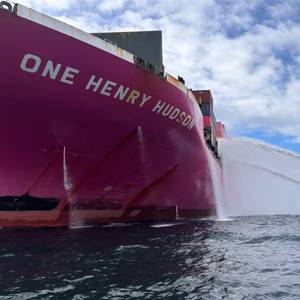
Firefighters and federal authorities continued working Saturday to contain a hazardous-materials fire aboard the container ship ONE Henry Hudson after an explosion and onboard fire forced the evacuation of all crew members at the Port of Los Angeles, according to the Los Angeles Fire Department (LAFD) and port officials. By 6:30pm local time, the fire had been substantially contained.
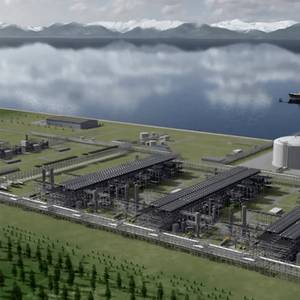
The backers of a proposed 800-mile (1,287 km) gas pipeline in Alaska championed by U.S. President Donald Trump expect to complete a key engineering and cost study by the end of this year, Interior Secretary Doug Burgum said on Monday.The ambitious proposal to transport gas from Alaska's far north to the Gulf of Alaska has been talked about for decades but has received new impetus under Trump
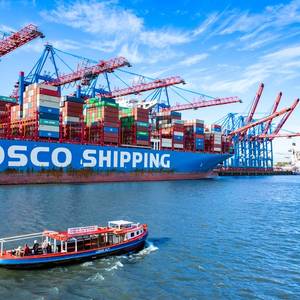
The U.S. and China on Tuesday began charging additional port fees on ocean shipping firms that move everything from holiday toys to crude oil, making the high seas a key front in the trade war between the world's two largest economies.A return to an all-out trade war appeared imminent last week
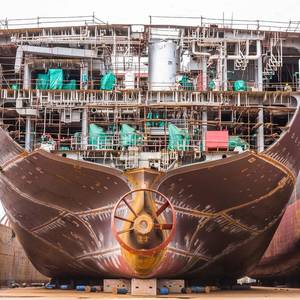
The U.S. is one week away from imposing port fees on certain vessels with links to China, a move expected to cost the top 10 carriers $3.2 billion next year as President Donald Trump seeks to address China's growing dominance on the high seas."While some observers believe the October 14 deadline may be extended - or even scrapped - as part of broader negotiations
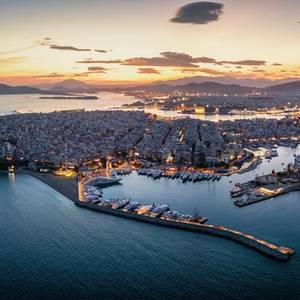
U.S. President Donald Trump's administration is on a mission to weaken China's global network of ports and bring more strategic terminals under Western control, according to three sources familiar with the plan.The drive is part of the most ambitious effort to expand U.S. maritime influence since the 1970s and is designed to address growing fears in Washington that it would be at a disadvantage