

The United States is attempting to seize a Russian-flagged oil tanker with links to Venezuela after a more than two-week-long pursuit across the Atlantic and as a Russian submarine and warship were close by, two U.S. officials told Reuters on Wednesday.The seizure, which could stoke tensions with Russia, came after the tanker, originally known as the Bella-1, slipped through a U.S.
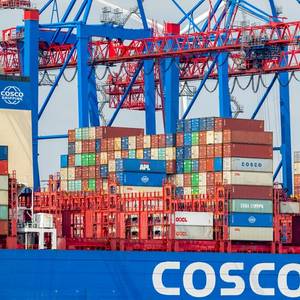
Rates for shipping cargo containers from China to the U.S. have dropped by more than half since earlier this month, as imports rebounded less than expected after the slump that followed President Donald Trump slapping 145% tariffs on China.Trump quickly reversed course by lowering the rate to 30%. That cost increase on goods from the nation's No.
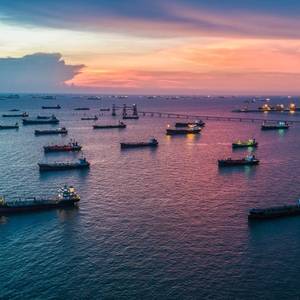
At least two supertankers made U-turns near the Strait of Hormuz following U.S. military strikes on Iran, shiptracking data shows, as more than a week of violence in the region prompts vessels to speed, pause, or alter their journeys.Washington's decision to join Israel's attacks on Iran has stoked fears that Iran could retaliate by closing the strait between Iran and Oman through which around

Oil prices climbed nearly 7% on Thursday after President Donald Trump said the U.S. would continue attacks on Iran, stoking fears of prolonged disruptions to oil supply.Brent crude futures LCOc1were up $7.65, or 7.6%, to $108.81 per barrel at 0902 GMT. U.S. West Texas Intermediate crude CLc1 futures were up $7.06, or 7.1%, at $107.18 per barrel.

Oil prices extended gains on Monday, with Brent heading for a record monthly rise, after Yemeni Houthis widened the Iran war by launching their first attacks on Israel.Brent futures rose 66 cents or 0.6% to $113.23 a barrel at 1031 am ET (1431 GMT) after settling 4.2% higher on Friday. U.S. West Texas Intermediate futures were up $2.2 or 2.2%, at $101.83 after gaining 5.5% in the previous session.

A Turkish-owned ship that had been waiting near Iran was allowed to pass through the Strait of Hormuz after authorities received permission from Tehran, Turkish Transport and Infrastructure Minister Abdulkadir Uraloglu said.In comments to Turkish media on Thursday that were released on Friday
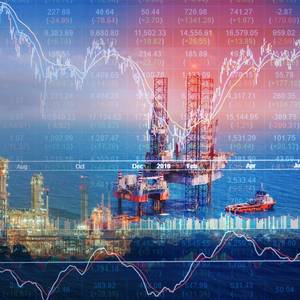
Oil prices plummeted 7% on Tuesday after soaring to a more than three-year high in the previous session as U.S. President Donald Trump predicted the war in the Middle East could end soon, easing concerns about prolonged disruptions to oil supplies.Brent futures LCOc1 fell $6.79, or 6.9%, to $92.17 a barrel at 0840 GMT, while U.S. West Texas Intermediate (WTI) crude CLc1 was down $6.55, or 6.

The dollar surged on Monday as soaring oil prices sent investors scrambling for cash on worries that a protracted Middle East war could severely disrupt energy supplies and hurt global growth.Against the surging greenback, the euro EUR= and sterling GBP= were down roughly 1% in Asia, while the Aussie AUD= and even the safe-haven Swiss franc CHF= similarly tumbled, as the dollar proved king."The U.

As the conflict in the Gulf widens, maritime insurance premiums for war coverage are surging -- in some cases by more than 1000% -- dramatically driving up the cost of moving energy through a critical maritime corridor.The conflagration sparked by Saturday's Israeli-U.S. air strikes against Tehran has paralyzed traffic through the Strait of Hormuz, a major shipping chokepoint.

Oil prices climbed about 3% to a five-month high on Thursday on rising concerns that global supplies could be disrupted if the U.S. decides to attack Iran, one of the biggest crude producers in OPEC.Brent futures rose $2.10, or 3.1%, to $70.50 a barrel by 11:07 a.m. EST (1607 GMT), while U.S. West Texas Intermediate (WTI) gained $2.09, or 3.3%, to $65.30.
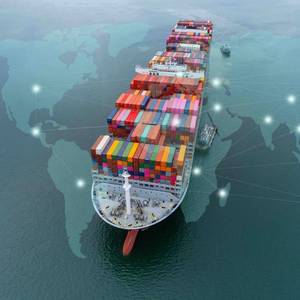
Global markets are getting too comfortable with risks like trade wars, geopolitical tensions and yawning government deficits, which, combined with already overpriced assets, increase the chance of a "disorderly" market correction, the International Monetary Fund said on Tuesday.Underscoring the IMF's warning
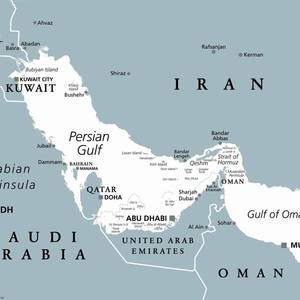
At least two supertankers made U-turns near the Strait of Hormuz following U.S. military strikes on Iran, shiptracking data shows, as more than a week of violence in the region prompts vessels to speed, pause, or alter their journeys.Washington's decision to join Israel's attacks on Iran has stoked fears that Iran could retaliate by closing the strait between Iran and Oman through which around